REVIEW · AYUTTHAYA
Ayutthaya: Colorful Slow Life Bicycle Tour with local guide.
Book on GetYourGuide →Operated by Slow life bicycle tour · Bookable on GetYourGuide
Temples plus backstreets, powered by pedal. This Ayutthaya bike tour mixes UNESCO temple highlights with a slow ride through everyday neighborhoods, so the city feels less like a checklist and more like a place you could live.
I love the combination of a calm, safety-first ride with real guidance, not just a map and a whistle. With Jimmy, you get clear explanations as you go, plus little comforts like water, local snacks or seasonal fruit, and a trouser borrowing service when temples call for more coverage.
One thing to plan for: temple tickets are not included, and you’ll want cash for both entry fees and small donations. Also, this tour is one-way pick-up or drop-off, so you should arrange your return to your accommodation ahead of time.
In This Review
- Key things to know before you ride
- Why cycling Ayutthaya beats doing it by bus or on foot
- Meeting at Wat Lokayasutha and how the route timing works
- From reclining Buddha to real neighborhoods: the ride’s character
- Temple stop 1: Wat Lokayasutha and the mood it sets
- Where Wat Maenang Pluem fits: the monk blessing and amulet moment
- The UNESCO highlight: Wat Mahathat and its tree-root Buddha head
- Optional timing: Wat Ratchaburana outside the main stops
- The finishing temple feel: Wat Phra Si Sanphet
- Safety, pacing, and the kind of bike you’ll actually want
- Food, water, and small ritual touches
- Price and value: what $23 covers, and what it doesn’t
- What to bring so your day stays comfortable
- Who this tour suits (and who should skip biking here)
- Should you book this Ayutthaya bicycle tour?
- FAQ
- How long is the Ayutthaya bike tour?
- Where is the meeting point and where does the tour start?
- Is temple entrance included in the price?
- What’s included besides the bike and guide?
- Are there different routes for morning and afternoon?
- Can I book if I’m traveling alone?
- Is pick-up and drop-off round-trip included?
- What should I bring for the tour?
- What language will the guide speak?
Key things to know before you ride
- Licensed English-speaking guide (TAT certified) with a focus on safety and context at each stop
- Start at Wat Lokayasutha, then cycle through shaded backroads and quiet ruin areas
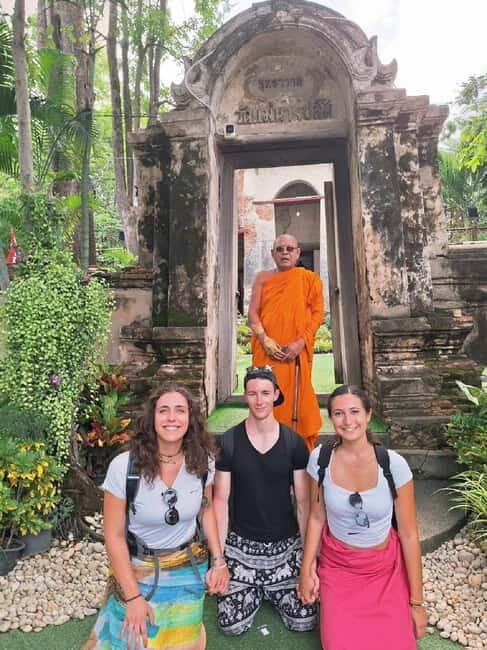
- Monk blessing option at Wat Maenang Pluem (or Wat Na Phra Meru depending on conditions)
- Wat Mahathat’s Buddha head in tree roots, plus a ride-through of Hua Ro Market
- Temple-visit support, including trouser borrowing and time to wander and take photos
Why cycling Ayutthaya beats doing it by bus or on foot
Ayutthaya’s temples are famous, sure. But the best part is often the in-between: the lanes that locals use, the quiet corners where a ruin feels like it’s been waiting for you, and the way the city changes every few minutes as you turn a corner. On two wheels, you don’t just arrive—you travel through the place.
This tour is designed as a slow life ride. That matters because Ayutthaya isn’t only about big monuments; it’s about how long it takes to understand the setting—shade, street rhythm, and how people move around sacred spaces.
And you’ll see a range of spiritual sights without it turning into a rushed temple stampede. You’ll also get time to stop, look up, and actually notice details like brickwork, Buddha images, and how the ruins sit inside modern life.
Other Ayutthaya bicycle and bike tours in Ayutthaya
Meeting at Wat Lokayasutha and how the route timing works
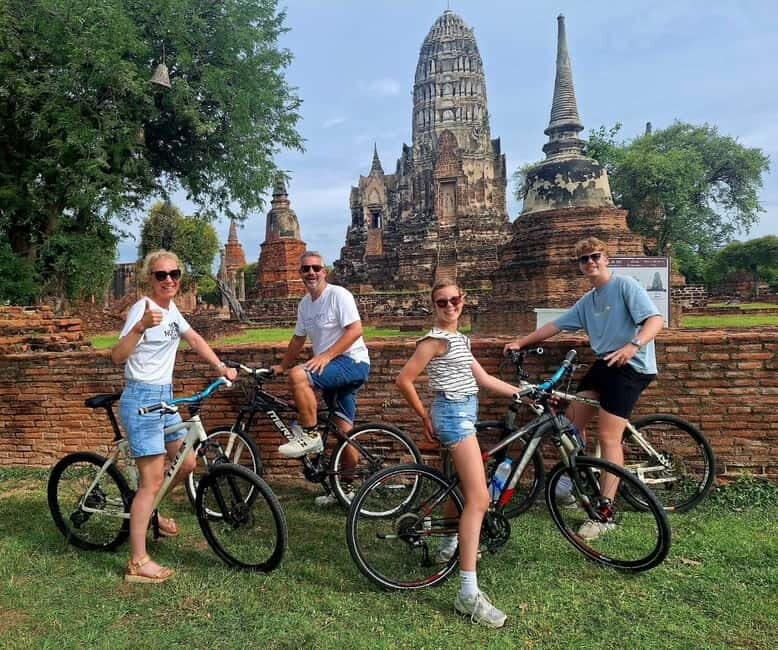
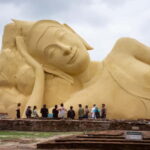
You’ll start at Wat Lokayasutha (วัดโลกยสุธา), home to the giant reclining Buddha. Pick-up is offered from your accommodation by tuk-tuk, then you meet the group at the start point and get on the bike.
There are two daily options:
- Morning tour: pickup 8:30 AM, start 9:00 AM, end around 12:30 PM
- Afternoon tour (reverse route): pickup 2:00 PM, start 2:30 PM, end around 5:30 PM
Either way, you’re looking at roughly 3 hours on the guided ride. That’s long enough to cover multiple temple areas and backstreets, but short enough that you don’t lose the day to transport.
Pick-up can be shared (4–5 per tuk-tuk), so if you’re sensitive to waiting, I’d plan to arrive a few minutes early. The start is firm: join-in tours leave at 9:00 AM sharp.
From reclining Buddha to real neighborhoods: the ride’s character
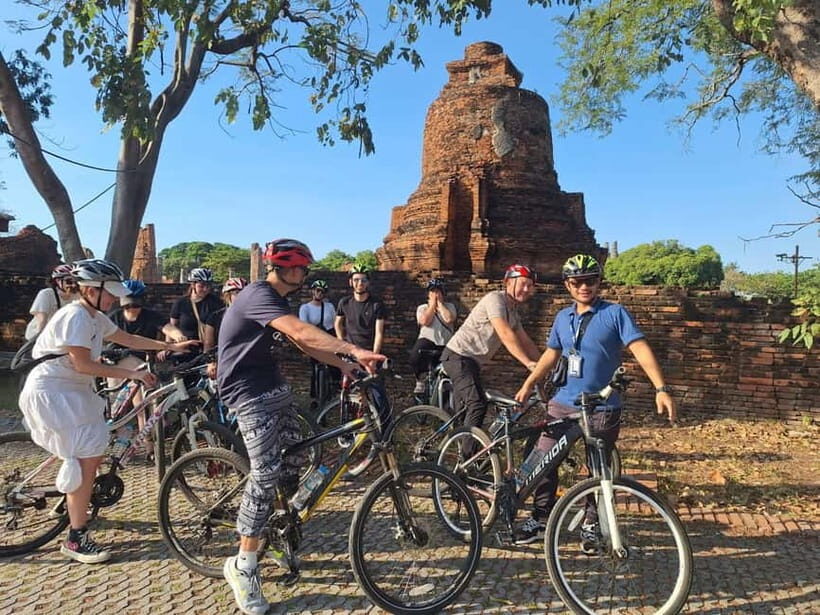
After the tuk-tuk gets you moving, the first cycling section is all about getting your bearings and feeling the town at street level. The route is planned to keep things comfortable, with shaded backroads and slower roads when possible.
You pass old ruins, and you don’t just zoom by them. The pacing lets you notice what’s left behind: abandoned temple structures, crumbling brick sections, and spots where local animals are part of the scene. That sounds small, but it’s exactly the kind of detail that makes Ayutthaya feel lived-in rather than staged.
If you’re the kind of person who likes to take photos, you’re in luck. One of the best practical touches is that Jimmy helps take pictures while you ride, so you’re not stuck sprinting off the bike every time you spot something photogenic.
Temple stop 1: Wat Lokayasutha and the mood it sets
Starting at Wat Lokayasutha is a smart choice because it gives you an anchor before you start cycling deeper into the historical areas. The giant reclining Buddha immediately signals what Ayutthaya’s about: Buddhist art, monumental scale, and a place where people still come to pray.
You’ll get a guided introduction that helps you understand what you’re looking at—not just the fact that it’s impressive. And because you’re starting here, you can settle your pace early. That’s important on a bike tour: once you’re comfortable, you’re free to focus on the sights.
Where Wat Maenang Pluem fits: the monk blessing and amulet moment
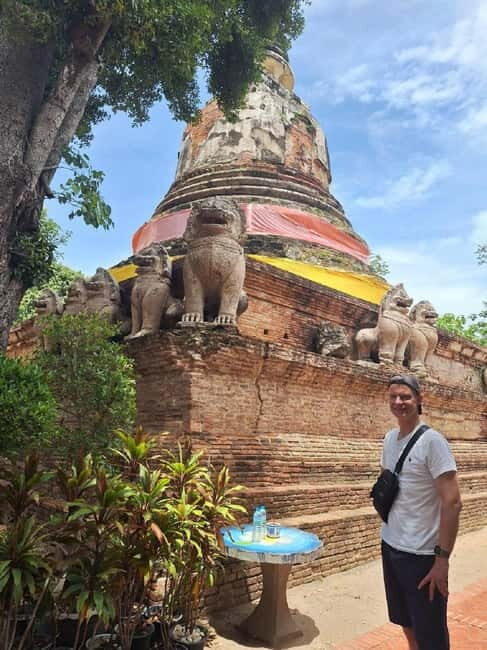
One of the most distinctive parts of this tour is the chance to visit Wat Maenang Pluem. At this stop, you can receive a blessing from a monk along with a small spiritual amulet.
In practice, this is less about tourism and more about respectful participation in a local ritual setting. If you want to understand Buddhism as something practiced—not only something photographed—this is the kind of moment that makes the day click.
Depending on weather and temperature conditions, the tour may swap in Wat Na Phra Meru instead. That’s a good reminder that the route is designed for comfort. If it’s hot, the guide won’t force you into a tough stretch just to hit a scripted sequence.

The UNESCO highlight: Wat Mahathat and its tree-root Buddha head
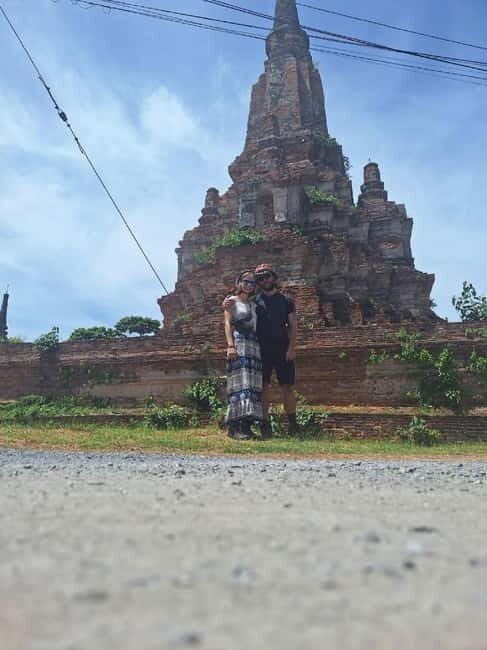
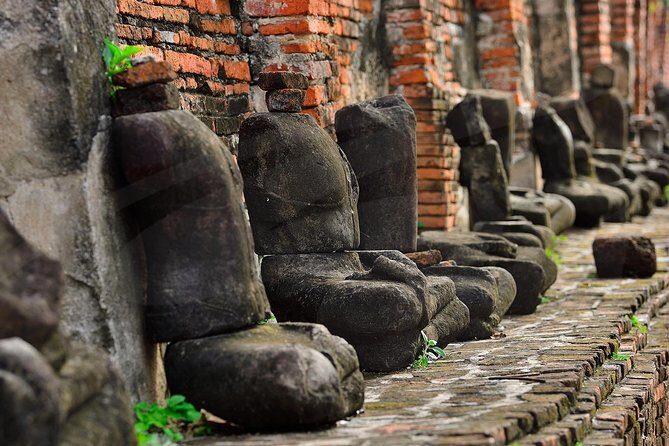
Wat Mahathat is the name most people recognize for a reason. The famous Buddha head entwined in tree roots looks like it’s growing out of the ruins—and it changes the mood of your whole tour.
This stop is also valuable because it’s not only about a single photo. You’ll be able to wander and take in the surrounding ruins and temple context. The guide’s explanations help you see how the pieces fit together, rather than treating everything as separate landmarks.
The route also passes through Hua Ro Market on the way, which is a nice break from temple-only time. Even if you don’t buy much, the market ride-through gives your brain a reset. It’s one more reminder that Ayutthaya isn’t an outdoor museum with only one purpose.
Optional timing: Wat Ratchaburana outside the main stops
If timing and weather allow, you might stop outside Wat Ratchaburana. This is tied to a story of ancient treasures once hidden in a stone tower inspired by Hindu beliefs.
I like this kind of optional stop because it adds depth without making the tour feel like a marathon. If conditions don’t cooperate, you still get the core Ayutthaya temple experience. That’s a small but real quality-of-life benefit on a half-day tour.
The finishing temple feel: Wat Phra Si Sanphet
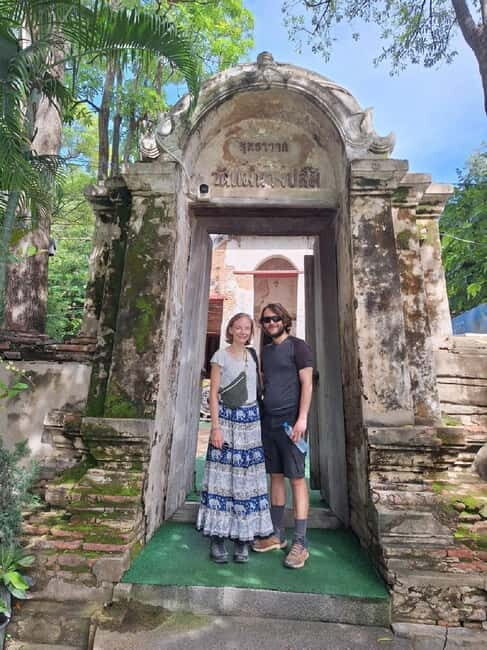
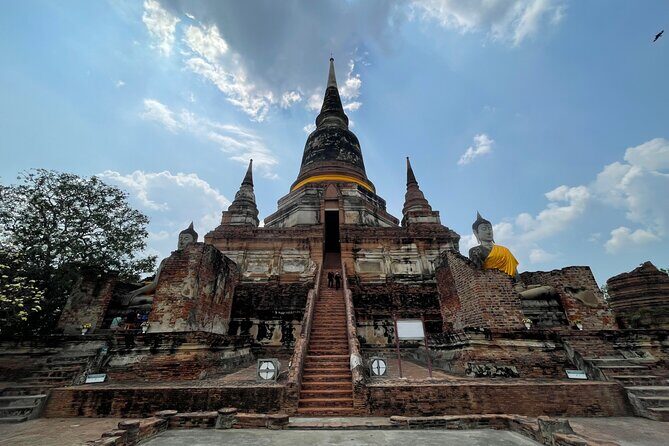
The tour’s final temple highlight is Wat Phra Si Sanphet, known as the largest royal temple in Ayutthaya during the 15th century. Ending here gives your day a sense of scale—this isn’t just small local worship spaces; it’s tied to royal power and a major era of the kingdom.
After that, you return to the starting area. The last leg matters: you leave with the feeling that you saw Ayutthaya’s main spiritual story, not just random points on a map.
Safety, pacing, and the kind of bike you’ll actually want
You get a mountain bike service plus helmets, and there’s a first aid kit along for the ride. Those aren’t glamorous details, but they change how relaxed you feel once you’re in traffic zones and near intersections.
In the real world, cycling through a historic city works only if the guide controls the pace and spacing. Jimmy’s approach (based on the way he adapts to your bike pace) is one of the reasons this tour gets strong marks. If you want breaks to take photos or time to linger at an interesting wall or statue, you’re not usually fighting the group schedule.
Traffic navigation is also part of the value. This isn’t a car-free bike path fantasy. The tour is built around safe road choices and steady group handling, which makes it a better option if you’re not an aggressive city cyclist.
Food, water, and small ritual touches
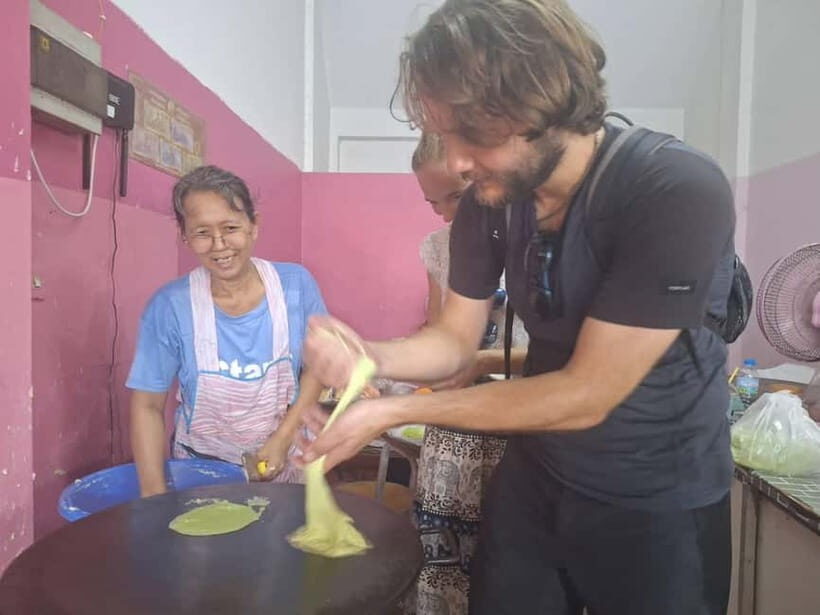
This tour includes local snacks or seasonal fruit and refill water. That’s practical, especially in Ayutthaya heat. You don’t want temple time to feel like a hydration emergency.
There are also religious and sensory moments that help the day feel human. Some tours include a lotus-flower style ceremony, and at the end there’s often a chance to make an offering at a Buddha statue. In some cases, the guide may provide items like flowers and a leaf of gold for the offering.
Think of these as optional emotional anchors. Even if you’re not sure what to do, the guide’s there to point you in the right direction and keep things respectful.
Price and value: what $23 covers, and what it doesn’t
At $23 per person, the pricing is fairly friendly for a 3-hour guided cycle tour that includes:
- mountain bike service and helmets
- a licensed English-speaking guide (TAT certified)
- water plus local snacks or seasonal fruit
- a trouser borrowing service
- one-way pick-up or drop-off in the historical site and nearby areas
The main cost that sits outside the tour price is temple entry. You’ll need the Ayutthaya Historical Park pass:
- 80 THB per temple
- 300 THB for a full-day pass covering all 7 temples
So your true budget depends on which sites the tour covers that day. If you’re only visiting a handful, pay-per-temple may be easiest. If you know you’ll want more temples on your own after the ride, the full-day pass could help.
There’s also a temple donation listed at 20 THB per person (noted from 21 August 2025). Keep some extra cash in your day bag. It saves stress at the exact moment you’re standing in front of a donation point.
One more logistical point about value: the tour includes one-way pick-up or drop-off only, not round-trip. The guide can help you arrange a tuk-tuk back, usually around 100–150 THB per group (about 30–50 THB per person). If you like predictable costs, plan that into your day.
What to bring so your day stays comfortable
You don’t need special gear, but a few things make a noticeable difference:
- Comfortable shoes you can walk in
- Change of clothes (temples and sweat happen)
- Comfortable clothing that won’t fight you on a bike
- Cash for temple entry and donations
Also plan to accept that temples sometimes require modest coverage. The trouser borrowing service helps if you show up in the wrong kind of outfit.
If you’re bringing a phone or camera, use it intentionally. Quick shots are great, but part of the charm here is looking slowly. Take a photo, then spend 30 more seconds actually looking at the details your picture can’t capture.
Who this tour suits (and who should skip biking here)
This is meant for easygoing cycling, and the pace is adjusted. Still, it’s not right for everyone.
It’s not suitable for:
- children under 8
- pregnant women
- people with heart problems
- anyone who can’t ride a bike
- wheelchair users
- people with vertigo
- people over 65
- people over 287 lbs (130 kg)
- people under 4 ft 8 in (145 cm)
So if you’re comfortable riding a bike at a steady pace and you don’t mind some time in traffic-adjacent areas, you’ll likely enjoy it. If you’re at all unsure, ask directly what the route feels like that day—heat, surface conditions, and group speed can all affect how the ride feels.
Should you book this Ayutthaya bicycle tour?
Book it if you want a real Ayutthaya feel: temple highlights, plus the everyday backroads between them. This tour is especially appealing if you like cultural context and want a guide who explains what you’re seeing while you ride—Jimmy’s style is calm and practical, and that makes the whole day easier.
Skip it if you’re mainly chasing a self-guided museum crawl with no biking. Also, make sure you’re comfortable paying temple entry separately and arranging your return transport, since it’s not included as round-trip.
If you can handle that, you’ll get a good deal: bike, helmet, a licensed guide, snacks, water, and a temple route that includes a monk blessing chance at Wat Maenang Pluem (or the alternative nearby site). For a half-day, that’s strong value.
FAQ
How long is the Ayutthaya bike tour?
It’s about 3 hours with a guided ride. The morning option ends around 12:30 PM, and the afternoon option ends around 5:30 PM.
Where is the meeting point and where does the tour start?
The tour starts at Wat Lokayasutha (วัดโลกยสุธา). Pickup comes from your accommodation, then you meet the group at the start point.
Is temple entrance included in the price?
No. Temple tickets are not included. The historical park pass is 80 THB per temple, or 300 THB for a full-day pass covering all 7 temples.
What’s included besides the bike and guide?
You get mountain bike service and helmets, a licensed English-speaking guide, a first aid kit, water refill, and local snacks or seasonal fruit. You also get a trouser borrowing service for temple visits.
Are there different routes for morning and afternoon?
Yes. The afternoon tour uses a reverse route compared to the morning schedule, with the same general set of temple stops planned around the timing.
Can I book if I’m traveling alone?
Yes. The tour runs even for one person if there’s availability.
Is pick-up and drop-off round-trip included?
No, it’s one-way pick-up or drop-off only, available within the historical site and surrounding areas. Transportation back afterward is not included, but the guide can help arrange it.
What should I bring for the tour?
Bring comfortable shoes, a change of clothes, comfortable clothing, and cash.
What language will the guide speak?
The guide speaks English and is licensed (TAT certified).