REVIEW · BANGKOK
Ayutthaya Ancient Capital, Temples & Summer Palace Private Tour
Book on Viator →Operated by Thailand Insight Travel · Bookable on Viator
Ayutthaya ruins tell better stories with a guide. This private 8-hour day strings together the big UNESCO sights in a logical order, from Bang Pa-In Summer Palace to Ayutthaya’s most important temple complexes. You also get admission tickets handled for the listed stops, so the morning stays focused on history—not ticket desks.
What I like most is the human touch. Guides such as Adam and Lin are described as friendly, upbeat, and able to explain the history behind the stones in a way that’s easy to follow, with Adam even mentioned as a historian/photographer type who helps you get the right angles. Second, the logistics feel smooth: hotel pickup, an air-conditioned vehicle, and a driver who looks after safety (Lock is specifically mentioned in the reviews).
One consideration: the plan is efficient to the point of feeling a bit fast in the temples, since most stops are about 20 minutes (Bang Pa-In gets 30). And since lunch isn’t included, you’ll want to manage your energy during the day with snacks or a planned lunch stop.
In This Review
- Key highlights worth booking for
- Why Ayutthaya fits best in one guided day
- Bang Pa-In Summer Palace: kings, seasons, and restoration
- Wat Yai Chaya Mongkol and the 1592 Naraesuan victory
- Wihan Phra Mongkhon Bophit: the bronze Buddha’s exact scale
- Wat Phra Si Sanphet: Ayutthaya’s royal chapel feeling
- Wat Mahathat: a royal temple tied to relics
- Wat Chaiwatthanaram: built in 1630 to honor a mother
- The private format: pickup, pace, and guide quality
- Price and value: what you’re paying for at $163.05
- What to bring and how to handle a temple-heavy day
- Should you book this Ayutthaya Private Tour?
- FAQ
- What time does the Ayutthaya tour start, and how long is it?
- Is this tour private or shared with other people?
- What’s included in the price?
- Is lunch included?
- Which sites are visited during the day?
- Where do you pick up in Bangkok?
Key highlights worth booking for
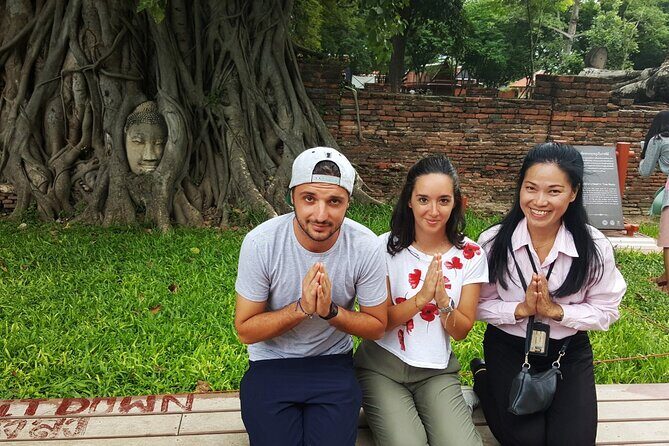
- Bang Pa-In Summer Palace: a royal retreat story tied to Ayutthaya’s rise, fall, restoration, and kings’ seasonal life
- Wat Yai Chai Mongkol: the 1592 King Naraesuan victory chedi story makes the architecture more than scenery
- Wihan Phra Mongkhon Bophit: the bronze Buddha’s dramatic scale (about 9.55 m lap, 12.45 m tall)
- Wat Phra Si Sanphet: the feel of Ayutthaya’s royal chapel inside the old palace zone
- Wat Mahathat: a key royal temple site connected to Buddha relics
- Wat Chaiwatthanaram: a temple ordered in 1630 to honor a mother, with architectural links to Angkor-influenced style
Why Ayutthaya fits best in one guided day
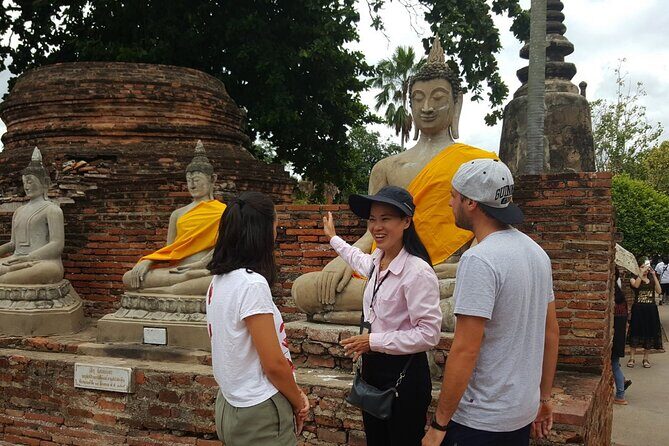
Ayutthaya can be confusing fast. You see one chedi, then another, then a cluster of bricks and later you’re trying to remember what mattered most. This tour helps you keep the threads straight by moving you from the royal summer retreat to the core temple sites that defined the kingdom.
The private format matters here. You can adjust your pickup time and itinerary, which is handy when you want more time for photos, a slower pace in the heat, or extra curiosity questions for your guide. You’ll also have one team—licensed English-speaking guide plus driver—so you’re not bouncing between strangers or guessing where to go next.
The schedule is built to hit the biggest names in about 8 hours. That efficiency is great if you’re short on time, but it does mean you’ll see each place with a focused sprint rather than a long wander. If you like to linger, I’d treat this as a “see it right, learn it fast” day and then plan a return trip for deeper exploring.
Other private Ayutthaya tours we've reviewed
Bang Pa-In Summer Palace: kings, seasons, and restoration
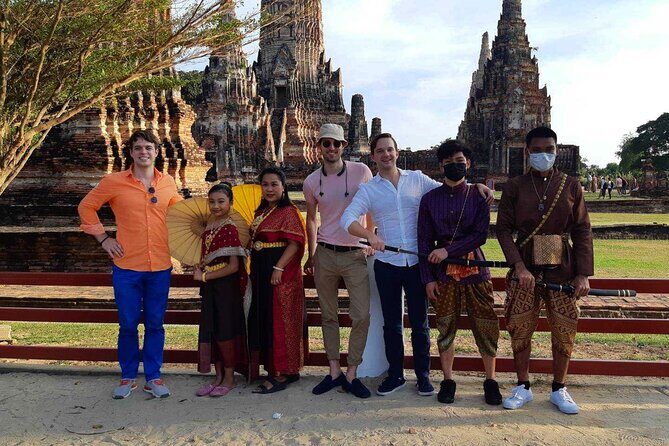
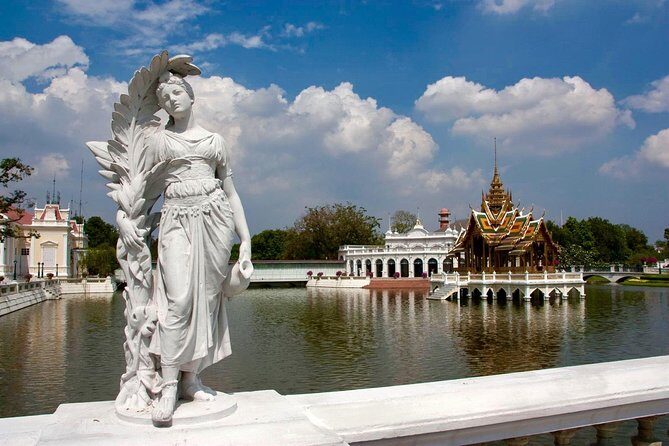
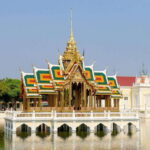
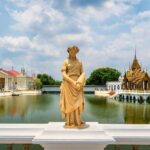
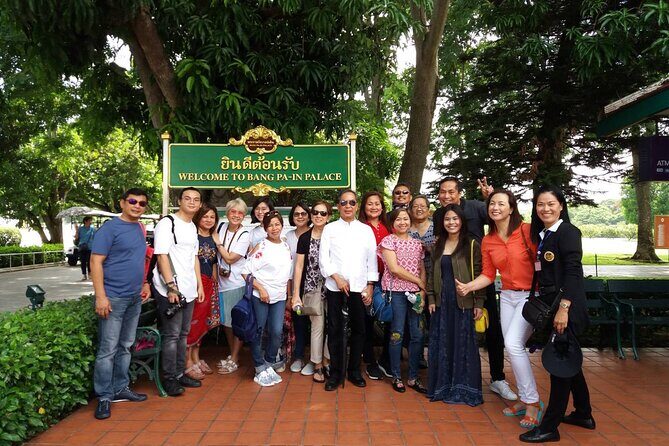
Bang Pa-In Summer Palace is a strong opener because it sets the royal tone of Ayutthaya’s world. The palace served Thai kings as a summer retreat in the 17th century. When the Kingdom of Ayutthaya fell, the palace was destroyed, then restored later by King Rama IV—so you’re not only looking at ruins or relics, you’re seeing the idea of recovery built into the site’s story.
Your visit here is about 30 minutes, which is enough to get oriented and see the key views without feeling buried in details. I’d use that half hour strategically: walk at a comfortable pace, look for strong photo angles early, and pay attention to how the palace was used as a seasonal escape. Summer palaces aren’t just pretty buildings—they’re part of how kings managed comfort, power, and the calendar.
Practical tip: wear something breathable and plan for bright light. Palace spaces can be very open, and you’ll be glad you brought sunglasses or a hat if the sun is strong.
Wat Yai Chaya Mongkol and the 1592 Naraesuan victory
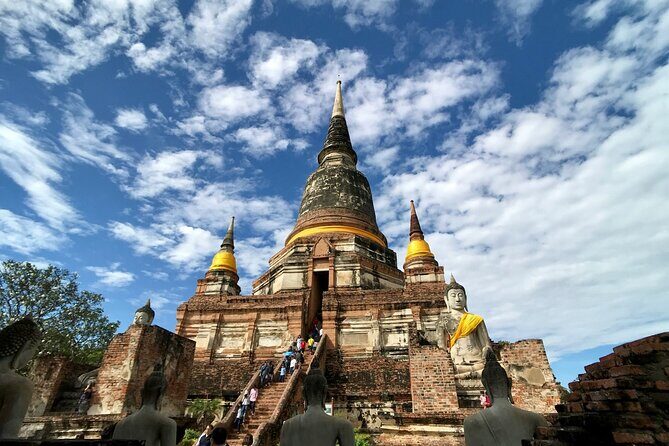
Wat Yai Chaya Mongkol works because the story gives the architecture a job to do. This is the kind of temple where a chedi isn’t only a decorative focal point—it’s a message. In 1592, King Naraesuan conquered King Uparat of Myanmar, and the temple’s major chedi was built as a symbol of that conquest.
This stop is about 20 minutes, so don’t expect a museum-style pacing. Instead, treat it like a history checkpoint: identify the big chedi structure, then let your guide explain what the victory meant and why the symbolism mattered. When your guide ties it together, you start noticing details you would otherwise miss—especially how power and religion blended in Ayutthaya’s royal worldview.
A small but useful thought: if you’re the type who likes to understand “why this was built,” this temple will feel rewarding quickly. If you just want photos with minimal context, it can feel a little story-heavy for 20 minutes.
Wihan Phra Mongkhon Bophit: the bronze Buddha’s exact scale
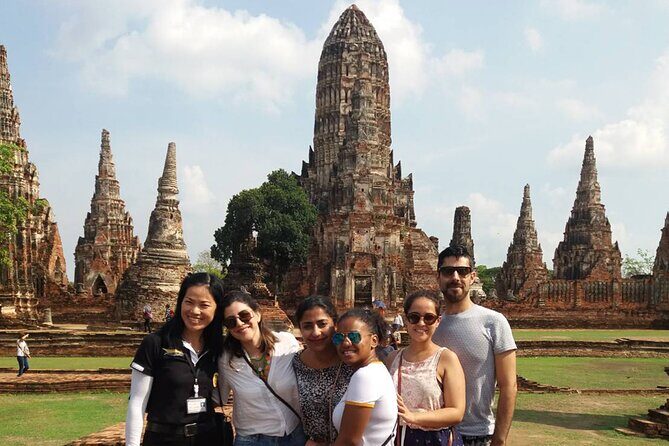
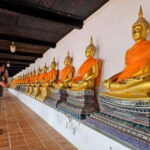
Wihan Phra Mongkhon Bophit is one of those stops where you can’t help but be impressed—because the numbers are real, not vague. The bronze Buddha image in the attitude of subduing Mara has a lap measurement of 9.55 meters and a height of 12.45 meters. That’s the kind of scale that instantly makes the space feel bigger than your expectations.
This is also a great place for a guide to do what they’re good at. When someone explains what Mara represents and what subduing Mara symbolizes, the Buddha statue stops being just a tall figure. You’ll understand why people come here and why the pose matters.
You’ll have about 20 minutes. Use that time to look at the statue from a few angles if possible, but keep moving too—these sites can get crowded and hot. If you’re visiting mainly for photography, this is one of your best bets for “big subject” shots without needing long planning.
Wat Phra Si Sanphet: Ayutthaya’s royal chapel feeling
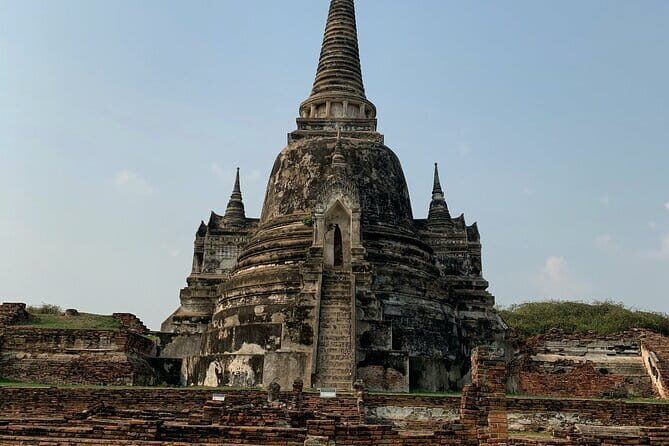
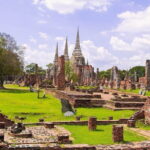
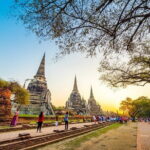
Wat Phra Si Sanphet is the royal chapel part of Ayutthaya’s palace world. It was located inside the Grand Palace and served a role similar to Wat Phra Kaew in Bangkok—as the royal chapel where the religious center of power lived. In Ayutthaya’s heyday, it was described as the largest temple in the city.
Even if you’re standing among remnants rather than a fully intact palace complex, this stop helps you understand why Ayutthaya mattered. You’re looking at the scale of royal religious space, not just a single shrine. A good guide will point out how these major temples worked as both spiritual sites and symbols of kingdom authority.
Expect about 20 minutes here. That’s enough to grasp the layout and why it was considered the city’s largest temple space in its peak period. If you’re the type who loves “place names with meaning,” this stop will stick with you—because the royal chapel idea is easy to understand once you hear it.
Other Ancient City and old-capital tours of Ayutthaya
Wat Mahathat: a royal temple tied to relics
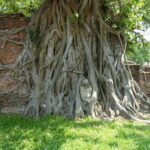
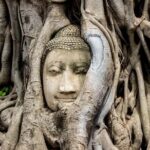
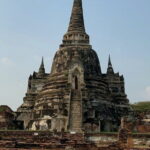
Wat Mahathat is one of Ayutthaya’s most significant temples because it housed Buddha’s holy relic. That connection is what makes the site feel important, not just old. It’s described as a royal temple of the Ayutthaya Kingdom and as one of the oldest and most significant in the kingdom’s history.
Your time is about 20 minutes. So again, the value here is in the guide’s framing. When someone explains how relics shaped religious importance, you’ll likely notice that the site feels like a gathering point in a way that casual temple photos don’t show.
What to keep in mind: relic-connected sites can feel emotionally weighty. If you’re tired from the morning heat, slow down for a minute rather than rushing. You’re not losing time—you’re getting the most out of it.
Wat Chaiwatthanaram: built in 1630 to honor a mother
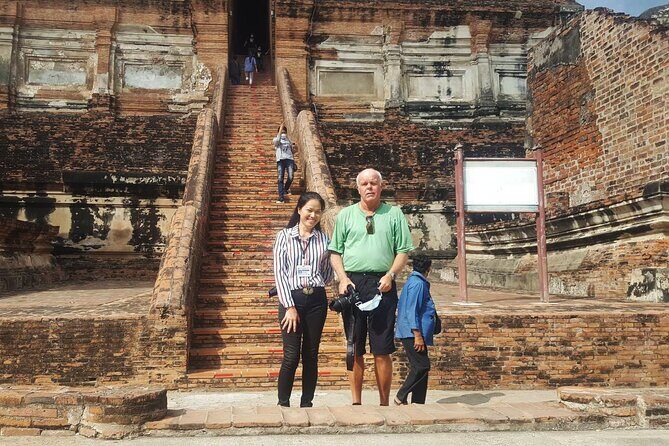
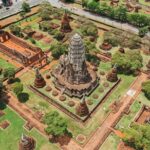
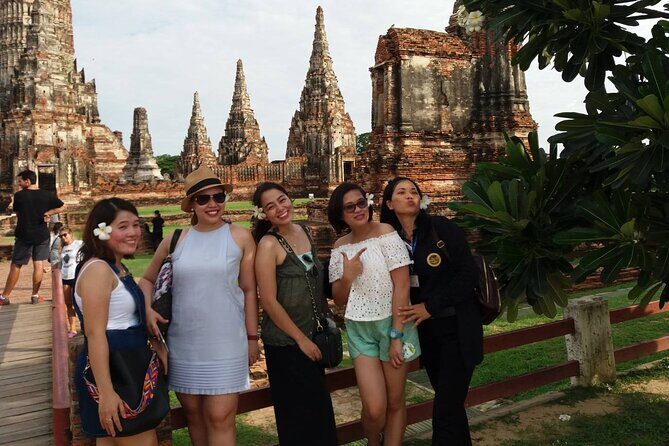
Wat Chaiwatthanaram is one of the most visited historical sites in Ayutthaya, and the reason starts with its origin story. The temple was ordered to be built in 1630 by King Prasat Thong to honor his mother. That “built for a family reason” detail makes the temple feel personal, even though it’s royal and monumental.
Architecturally, it’s described as influenced by Angkor-style elements. That matters because it gives you a lens for what to look for: you’re not just seeing Thai temple design in isolation; you’re seeing how regional influences flowed through the kingdom’s art and building choices.
This stop is also about 20 minutes. For a practical approach: arrive with the mindset of “identify the main structures, then listen to how the story explains the form.” You’ll come away with better understanding even without a long stay.
The private format: pickup, pace, and guide quality
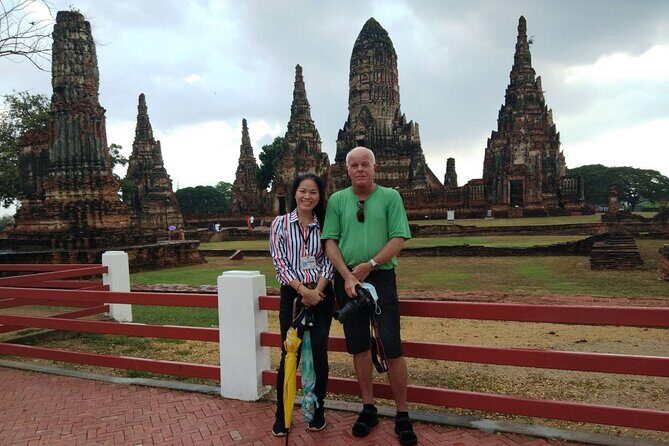
You start at 8:00 am, and the pickup system is set up to be easy if you’re near BTS. The pickup hub covers guests in hotels near selected BTS Skytrain stations, including Surasak (Sathon) through Siam, Phaya Thai, and Sukhumvit up to Asoke. That means you’re not stuck guessing how to get to the meeting point.
In the car, you’ll have air-conditioning, which is a real quality-of-life upgrade for a day that’s mostly outdoors. And because it’s private, your itinerary can be adjusted—use that if your group needs a slower pace, extra photo time, or a later pickup.
The guides named in the provided experiences—Adam and Lin—are repeatedly described as friendly and energetic, with strong history storytelling. One guide is also specifically mentioned as acting as a historian and photographer-style helper, which is exactly what you want on ruins-heavy days: someone who knows where to stand so your photos look like you planned, not like you wandered.
Pace check: Most temple stops are around 20 minutes. If you’re the type who wants to study every inscription, you may want to speak up early about where you’d like extra time.
Price and value: what you’re paying for at $163.05
At $163.05 per person, this tour isn’t trying to be the cheapest way to see Ayutthaya. Instead, it’s paying for convenience and guidance: private transportation, a licensed English-speaking guide, hotel pickup, admission tickets to Bang Pa-In and all the listed temples, and travel accident insurance.
The ticket coverage is a big part of the value. When admissions are included, you avoid that annoying moment where you’re forced to ask, How much is it for this one again? That lets the day feel smoother and keeps your budget more predictable.
Lunch is the only clear non-included item. So if you’re comparing value, factor in that you’ll need to cover a meal yourself. The tour is also marked with group discounts, which can make the per-person cost feel more reasonable if you’re traveling with others and can share the private-group cost.
If you have one day in Bangkok and you really want Ayutthaya’s main hits without planning your own transport and ticket logistics, this price can make sense. If you’re comfortable building a DIY day and you’d rather spend on food and longer temple time, you might look for a cheaper self-guided option.
What to bring and how to handle a temple-heavy day
This is an action-packed day with several temple sites and palace grounds. You’ll want clothes that are comfortable in heat and that won’t make you miserable during repeated short stops. Lightweight layers can help since temples and palace areas can swing between bright open spaces and shaded areas.
Footwear matters too. Even if your stops aren’t long, you’ll be walking around uneven ground at ruin and temple sites. Bring shoes you trust and that you can walk in confidently.
And since lunch isn’t included, plan for food timing. If you tend to get cranky when you’re hungry, pack a simple snack before you go or plan a lunch stop strategy so the day doesn’t become a frantic search for calories.
Should you book this Ayutthaya Private Tour?
I’d book this if you want a focused, guide-led Ayutthaya day with admission tickets included and pickup that drops you close to BTS. It’s a good fit for history-minded travelers who like stories tied to specific temples—especially if you enjoy details like King Naraesuan’s 1592 conquest chedi, the bronze Buddha’s exact dimensions, and the 1630 backstory for Wat Chaiwatthanaram.
Skip it or reconsider if you’re the kind of traveler who hates being rushed between stops. With mostly 20-minute temple visits, you may wish for a slower pace or an added day in Ayutthaya after this “greatest hits” day.
If you’re unsure, here’s the simple decision rule: one day, major sites, and you want it handled—this tour fits. More time, deeper wandering, and DIY flexibility—then you may want to plan your own pace.
FAQ
What time does the Ayutthaya tour start, and how long is it?
The tour start time is 8:00 am, and the duration is about 8 hours.
Is this tour private or shared with other people?
It’s private. Only your group participates.
What’s included in the price?
The tour includes hotel pickup, a licensed English-speaking guide, an air-conditioned vehicle, admission tickets for Bang Pa-In Palace and the temples listed on the itinerary, and travel accident insurance. A mobile ticket is also mentioned.
Is lunch included?
No, lunch isn’t included.
Which sites are visited during the day?
The stops listed are Bang Pa-In Summer Palace, Wat Yai Chai Mongkol, Wihan Phra Mongkhon Bophit, Wat Phra Sri Sanphet, Wat Mahathat, and Wat Chaiwatthanaram.
Where do you pick up in Bangkok?
Pickup is available for hotels near selected BTS stations, with service mentioned around Surasak (Sathon), Siam, Phaya Thai, and Sukhumvit up to Asoke.